










Living by Your Dosha through Ayurveda, Detoxing & Seasonal Balance
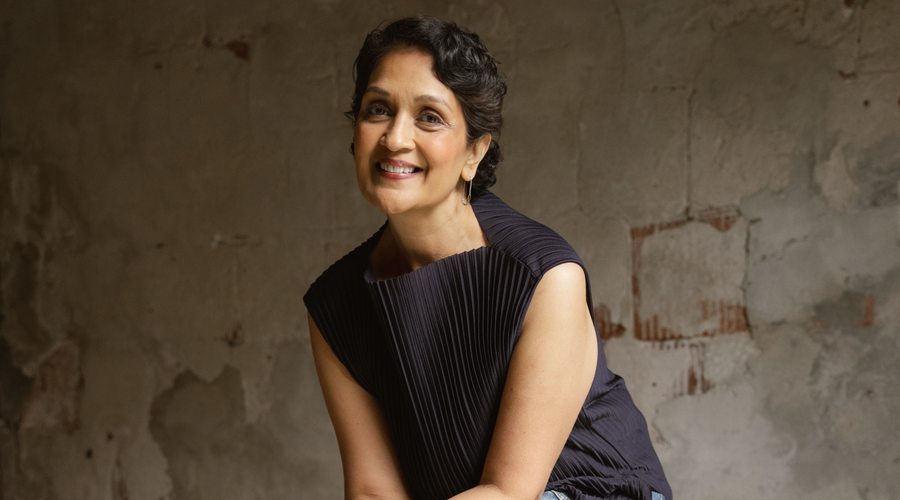
Your Ayurvedic dosha — Vata, Pitta, or Kapha — is your natural mind-body constitution, the unique blueprint that guides how you look, feel, and move through the world. We spoke with Dr. Kumar-Singh, MD, integrative physician, Ayurvedic expert, and CEO/Co-Founder, Arvasi Wellness about how to identify your dosha, detox in alignment with it, and support yourself through seasonal transitions.
Let’s start with the basics: What is a dosha in Ayurveda, and what does that mean for someone who’s new to this system?
A dosha is your Ayurvedic mind-body constitution — a bioenergy made from a unique proportion of the five elements.
-
Air + Space = Vata
-
Fire + Water = Pitta
-
Water + Earth = Kapha
Each dosha has predictable physical, emotional, and behavioral patterns that reveal how you present in balance — and what imbalance looks like.
Learn more about the basics of Ayurveda.
How can someone identify which dosha (or combination) they are?
The most accurate way is by working with an Ayurvedic practitioner. I also offer a quick dosha assessment that takes just 3–4 minutes: Take The Dosha Quiz
Why is understanding your dosha important?
Your dosha reflects the elemental proportions you were born with — your “natural state of balance.” The farther you drift from it, the more symptoms appear, which can eventually progress to chronic illness. Knowing your dosha helps you interpret your body’s signals and personalize your choices to maintain balance.
What are some everyday practices for balanced Ayurvedic living by dosha?
-
Vata (air/space): Keep a consistent routine (same wake, meals, and sleep time), eat warm cooked meals with healthy oils, and do slow breathwork with longer exhales.
-
Pitta (fire/water): Make lunch your largest meal, favor cooling and hydrating foods, reduce spice/alcohol/caffeine, and practice restorative yoga.
-
Kapha (water/earth): Wake early, move daily, eat lighter warming meals with digestive spices, and use invigorating breathwork to energize.

How might modern therapies like infrared, PEMF, or red light enhance these practices?
Use technology to amplify, not replace.
-
Vata: Gentle PEMF therapy or infrared heat in the evening to calm the nervous system.
-
Pitta: Red Light Therapy for circadian support; mild infrared only.
-
Kapha: Infrared Sauna Blanket or dynamic PEMF to boost circulation and motivation.
Detox is such a buzzword today. How does Ayurveda approach detoxing, and how does it differ by dosha?
A: Ayurveda favors steady, everyday clearing over harsh cleanses.
-
Vata: Stabilize with warm meals, healthy oils, and regular mealtimes. Avoid aggressive fasting.
-
Pitta: Soothe with leafy greens, hydration, and mild heat. Avoid spicy foods and excess alcohol.
-
Kapha: Lighten with earlier, lighter dinners and exercise paired with sweat (sauna, movement).
Try the HigherDOSE Infrared Sauna Blanket to support Kapha-style detox.

Ayurveda also emphasizes seasonal living. How can people support themselves through seasonal transitions based on their dosha?
Seasonal support is individualized, but a practical starting point is the Arvasi assessment and following guided protocols like Weekly Health Rx, which tailor practices to the season.
For someone new to Ayurveda, what’s one small step they can take today?
A: Step outside for 20 minutes of morning light. It’s the simplest way to reset your circadian rhythm, improve sleep, and steady mood.
Dr. Avanti Kumar-Singh, MD, is an internationally recognized physician, Ayurveda wellness expert, certified yoga therapist, and former emergency room doctor who blends ancestral Ayurvedic wisdom with modern medical science to help people live vibrant, balanced lives. She is the host of The Healing Catalyst podcast and the author of The Longevity Formula and The Health Catalyst, offering accessible guidance on holistic health, longevity, and self-healing. Dr. Avanti’s integrative approach has been featured in goop, HuffPost, Thrive Global, and mindbodygreen, and she speaks widely on bringing ancient practices into modern wellness routines.
