






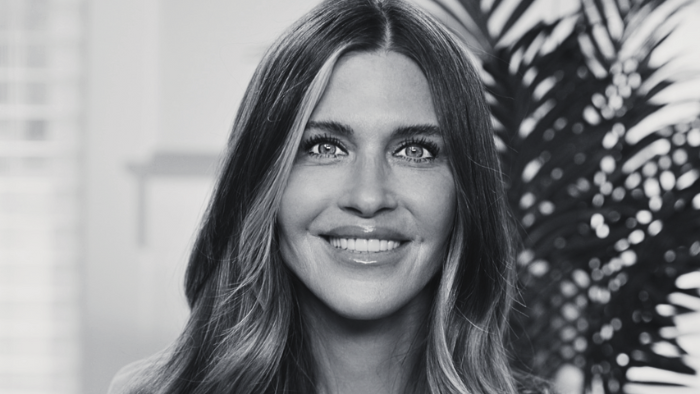
Repair Summer Skin Sins: Penn Smith’s Guide to Reviving and Protecting Your Glow
Summer fun can often come with a price: too much sun, dehydration, and stressed-out skin. But according to master esthetician Penn Smith, repairing your glow is absolutely possible. In this Q&A, Penn shares her journey into skincare and her expert strategies for undoing summer’s damage, nourishing your skin, and transitioning your skincare into the next season with confidence.
What inspired your journey into aesthetics? How did you find your passion for skincare?
Since I was a little girl, I’ve been fascinated by beauty - hair, makeup, skin. After college I was actually planning to go to nursing school, but after some big heart-to-hearts with my now-husband, I realized I wanted to follow my passion. My parents encouraged me to do what made me happy, and that gave me the push I needed to start beauty school. That decision eventually led me to become a hairstylist, then an aesthetician, and later, a Certified Advanced Aesthetician in Portland, Oregon, working in a medical office where I could perform advanced treatments like microneedling and lasers.
Along the way, I learned two things: first, that skincare is deeply personal: there’s no one-size-fits-all routine. And second, that while treatments and products can absolutely transform skin, prevention is always the best medicine.
You’ve built a reputation for cutting through the noise of the beauty world and demystifying skincare through a science-backed yet approachable lens. How did you find your voice and establish such a loyal community?
One of the questions I often get asked is how I found my voice in such a noisy beauty world. The truth is, I’ve always approached skincare as a conversation, not a lecture. I’m willing to share my vulnerabilities - what’s worked for me, what hasn’t, and where I’ve made mistakes, because I’m just like my audience. I happen to be a skincare nerd who dives into research and science, but at the end of the day, I’m walking the same path as the women (and men) I talk to every week.
I’ve also been honest about the fact that results are never about just one product or one treatment. They’re the culmination of many choices: the foods we eat, the procedures we might do, the skincare we stick with, and the wellness practices we commit to. That honesty has built trust, because I don’t oversimplify or promise magic.
And above all, I’ve created a judgment-free zone. “Aging gracefully” looks different to everyone. For one person, it might mean embracing gray hair, skipping makeup, and keeping a minimal routine. For another, it might mean getting a facelift, coloring their hair, and investing in in-office treatments. To me, both are equally valid because aging gracefully is about kindness, connection, and grace toward ourselves and others - not about the choices we make for our physical appearance.
That sense of sisterhood where we celebrate each other’s joys and grieve each other’s losses has made this community what it is. It’s human connection, not perfection, that keeps us showing up for each other.

We love some fun in the summer sun, but we know it can come at a cost to our skin. What do most people get wrong when it comes to sun exposure and skincare?
When it comes to sun, the biggest mistake people make is jumping back into their “regular” active routine with retinoids, acids, and exfoliants before the skin has healed. If you’ve overdone it, what your skin needs first is nourishment: hydration, ceramides, DNA repair enzymes, and antioxidants. Another common mistake is relying on “quick fixes” instead of practicing consistency. The truth is, no serum or mask erases sun damage overnight.
I also learned this lesson the hard way. In my early 30s, I developed what looked like a freckle on my ankle. It turned out to be pre-melanoma, and I had to undergo a surgical removal. Around that same time, a client of mine lost her life to melanoma in her early 40s. Watching her go through that was devastating and deeply changed the way I think about sun exposure. Now, I don’t take any chances: SPF, yearly skin checks, and protective habits are non-negotiable.
What are the best ways to nourish and heal your skin once you’ve had too much sun?
After summer, skin often shows dullness, crepiness, and hyperpigmentation. My go-to reset plan includes:
-
Vitamin A (retinol, retinaldehyde, tretinoin or adapalene) to speed up cell turnover, smooth crepey texture, and help fade pigment.
-
Antioxidants (like Vitamin C, resveratrol, or astaxanthin): fight oxidative stress and brighten.
-
DNA repair enzymes: help undo UV-induced DNA damage at a cellular level.
-
Hydration: humectants like hyaluronic acid, beta glucan, tremella, urea and barrier support like ceramides and omegas.
I’m also a fan of introducing gentle, multitasking ingredients like azelaic acid, which targets redness, pigment, and texture all at once.
How can we prevent sun damage in the first place?
I firmly believe that prevention is easier than repair. The best way to fix sun damage is to prevent it:
-
SPF daily (and reapplying often).
-
Wide-brim hats, UPF clothing, and shade when possible.
-
Antioxidants to support the skin from oxidative stress.
For younger skin, prevention lays the foundation for a lifetime of resilience. For mature skin, it’s about preserving skin immunity so the body doesn’t have to work overtime to repair damage.

Why is red light therapy such a powerful tool for repairing skin?
Light is life-giving, and red light therapy is one of the most elegant examples of how non-invasive technology can restore skin health. Red and near-infrared wavelengths penetrate into the skin where they’re absorbed by mitochondria - the “power plants” of our cells. This boosts production of ATP (adenosine triphosphate), the energy currency your cells need to repair, regenerate, and perform at their best. When cells are energized, they function more efficiently: whether that’s fibroblasts producing more collagen and elastin, keratinocytes strengthening the skin barrier, or immune cells calming inflammation.
Red light also reduces oxidative stress and downregulates pro-inflammatory cytokines, which is why it’s such a powerful anti-inflammatory tool. This is especially useful post microneedling, when you want enough inflammation to kick off healing but not so much that recovery is prolonged. Red light helps strike that balance: it caps inflammation, speeds recovery, and supports optimal collagen induction. At home, it’s one of the safest, easiest tools you can use. Clinical research has shown improvements in fine lines, wrinkles, skin texture, and even wound healing.
I love that it’s hands-free and versatile - whether I’m lying on a mat for full-body therapy or wearing a mask while folding laundry. And here’s the bonus: because blood is constantly circulating through the skin (20% at any given time!), red light therapy has systemic effects, too. It’s not only benefiting your complexion, it’s helping your body as a whole by improving circulation, lowering inflammation, and supporting cellular energy production throughout your system. To me, that makes it one of the most exciting, underrated tools in both skincare and overall wellness.

As we transition from summer to fall, what are your must-haves for transitioning your skincare routine?
I don’t think of skincare in strict “seasons” so much as “skin instants” (varying skin instances, a philosophy I share with my Biologique Recherche Esthetician). Skin changes day to day depending on environment, hormones, stress, and lifestyle. But generally, in the fall, I tend to ramp up actives like retinoids, add in peels or microneedling, and increase hydration to support my barrier.
Lifestyle plays a role too: hydration, protein intake, lowering sugar, managing stress - all of these show up on the skin. I’ve seen firsthand how even something as simple as proper hydration can transform skin, sometimes making someone look years younger overnight (or even in an hour after I give them a good facial).
Repairing “summer skin sins” is about more than erasing spots or smoothing crepiness. It’s an opportunity to reset your skin’s health so it functions at its best. With the right protection and restorative habits, the glow comes back, and your skin can truly thrive. Above ALL else, be kind to yourself!
Shop Penn's Routine

Red Light Face Mask

Red Light Neck Enhancer

Light-Activated Glow Serum

Red Light Skin Starter Kit
Penn Smith is a Master Esthetician, skincare educator, and beauty industry veteran with years of experience helping people feel confident and radiant in their skin. Known for making science-backed skincare approachable and empowering, she shares expert insights on everything from red light therapy and microneedling to everyday routines and product choices. Penn’s passion lies in demystifying the beauty world and supporting her community at every age with honest, practical guidance.
