








Written in Your Genes: Teri Cochrane on Epigenetics, Fertility & Personalized Nutrition
Key Takeaways
-
Epigenetics is how your genes are “read." Your food, sleep, stress, and environment shape how that blueprint is expressed, which is why it matters so much for fertility and pregnancy.
-
There's no single fertility diet. Personalized nutrition matched to your individual biology often does more than adding more supplements.
-
Looking at a couple's biology together reveals shared patterns (like sulfur metabolism, histamine and estrogen regulation, and fat metabolism) you'd miss alone.
-
Your Optisphere™ — everything in, on, and around you — means environmental toxins and everyday products are part of the fertility picture.
-
When preparing for pregnancy, start by reducing unnecessary biological stress rather than chasing the perfect protocol.
If you've been following our Fertile Ground series on YouTube and Substack, you know our co-founder and CEO Lauren Berlingeri has been on a mission to answer one big question: Can you biohack a baby?
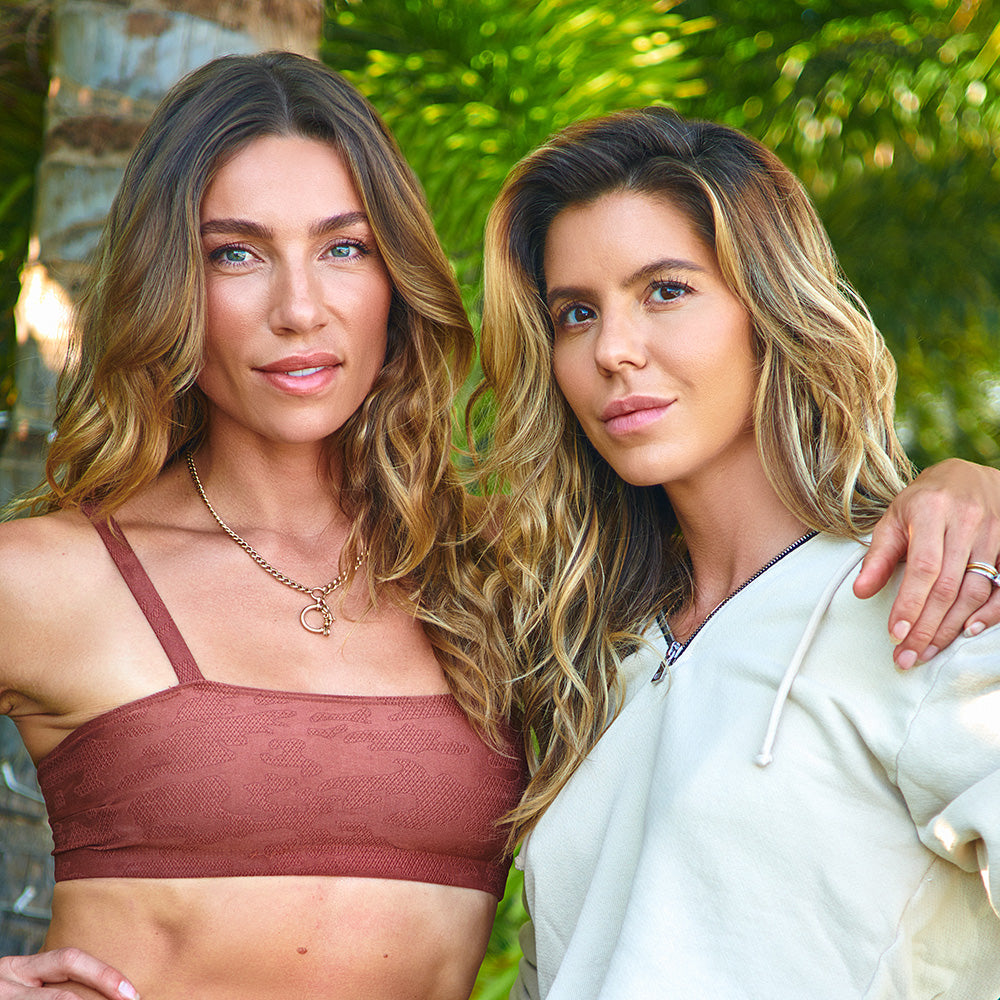
When Lauren and her husband David decided to focus on fertility, they knew they didn't want to follow a generic checklist. This was the biggest biohacking experiment of Lauren's life, and it deserved a personalized approach: one built around their biology, not someone else's protocol.
That search led them to Teri Cochrane, founder of The Cochrane Method® and a precision wellness expert whose work looks beyond individual genes to understand how our unique biological patterns influence health, and even how genetics interact between partners. What Teri uncovered reshaped the way Lauren and David eat, supplement, detoxify, and care for themselves, and gave them clarity in a wellness space that's often full of conflicting advice.
We sat down with Teri to explore why personalized nutrition and wellness matters for fertility, why one-size-fits-all advice so often falls short, and the changes that made the biggest difference for Lauren and David.
What is epigenetics — and why does it matter for fertility?
For someone who's never heard the word: what is epigenetics, and why does it matter for a couple trying to conceive?
Most people believe their genes determine their future. I see it differently.
Your genes are the blueprint, but epigenetics is how that blueprint is read. Every day, your food, sleep, stress, relationships, movement, environmental exposures, and even the products you use send signals to your biology. Those signals influence how your body functions.
For a couple trying to conceive, this is incredibly important because you're not simply preparing for pregnancy. You're preparing the biological environment from which new life begins. The father's health before conception matters because it contributes to the quality of the sperm and the biological information it carries. The mother's biology before conception—and throughout pregnancy—creates the environment in which a developing baby grows.
We can't control every outcome, and biology is wonderfully complex. But we can be intentional about creating the healthiest biological environment possible. To me, that's where personalized health begins.
Why one-size-fits-all fertility advice falls short
Your whole approach rejects one-size-fits-all. What does "personalized" look like when the goal is fertility, versus generic "eat clean, take prenatals" advice?
One-size-fits-all wellness has never made biological sense.
Two women can both struggle with infertility, yet for completely different biological reasons. One may be experiencing inflammation driven by foods that don't align with her biology. Another may have challenges with sulfur metabolism, histamine regulation, or fat metabolism. Someone else may have nutrient imbalances, blood sugar instability, or environmental toxicant exposures. On the surface, they may share the same diagnosis. Underneath, their biology may be telling completely different stories.
That's why the same prenatal vitamin, the same diet, or the same supplement protocol won't serve everyone equally.
My work is about asking a different question. Not, "What's good for fertility?" But rather, "What does this particular body need at this particular moment to create greater resilience?"

Why personalized health isn't static
You've said personalized health isn't static. What do you mean by that?
Your biology is constantly responding to your internal and external environment. The body you have today is not exactly the same body you had six months ago, and it won't be the same six months from now. Hormones shift. Nutrient demands change. Stress changes. Sleep changes. The microbiome changes.
The same woman may require one nutritional approach before conception, another while addressing a temporary imbalance, and yet another during pregnancy as her physiology naturally evolves. Personalized health is an ongoing conversation with the body—not a single plan that's followed forever.
What a couple's genetics reveal about fertility
What can you see when you look at two people's genetics together that you'd miss looking at either partner alone?
One of the things that makes our work unique is that we don't just look at one person—we look at the biology of the couple. Conception is the meeting of two biological systems that together create the environment from which new life begins.
When I evaluate a couple, I'm looking for patterns that are shared, patterns that complement each other, and patterns that may place additional biological demands on both partners. Sometimes one person's strengths offset the other's vulnerabilities. Other times, both individuals share similar biological tendencies, and that's where things become especially interesting.
With Lauren and David, we discovered that they shared patterns involving sulfur metabolism, histamine regulation, and fat metabolism. Instead of assuming they both needed the same fertility protocol because they were trying to conceive, we recognized that they each needed personalized support within those shared pathways. Their plans were similar in philosophy but individualized in execution—because biology is never one-size-fits-all.
Teri's “biology of the couple” lens is exactly why the father's health before conception gets equal weight here — David shared his own routine in Dads Who DOSE.
What your genetic blueprint says about metabolism, hormones & detox
Without getting too technical—when you look at someone's genetic blueprint, what does it tell you? And what did Lauren and David's reveal?
Our genes provide clues about how our bodies interact with the world. They don't tell us our destiny, but they do provide a roadmap for understanding how each of us is uniquely designed. They can reveal patterns in how we metabolize proteins, fats, sulfur compounds, carbohydrates, vitamins, minerals, hormones, and environmental chemicals.
Many conversations in personalized health focus heavily on methylation, and while methylation is certainly important, it is only one piece of a much larger biological symphony. In my work, I often see equally important patterns involving sulfur metabolism, histamine regulation, and fat metabolism—the three themes Lauren and David shared.
Sulfur metabolism extends far beyond detoxification. Sulfur is involved in the structure and function of proteins, connective tissue, antioxidant systems, and cellular communication. When sulfur pathways are under greater biological demand, some individuals may find that certain foods or supplements are supportive at one stage of life but less supportive at another.
How histamine and estrogen affect hormone balance
Histamine is far more than the molecule people associate with seasonal allergies. It's an important signaling molecule that interacts closely with estrogen. Estrogen can increase histamine activity, while histamine can influence estrogen signaling. In some individuals, that relationship can contribute to a cycle of inflammation and hormonal imbalance.
Fat metabolism is equally foundational. Healthy fats are essential for cell membranes, hormone production, brain function, and cellular communication. If someone's biology is less efficient at processing certain fats, it can influence many systems throughout the body.
Curious how histamine and hormones shift across the month? See red light therapy aligned with your cycle.

The diet and supplement shifts that support fertility
Diet & supplements: What shifts tend to move the needle most for fertility—and were any of Lauren and David's changes counterintuitive?
One of the biggest misconceptions in fertility is that optimizing health simply means adding more supplements. Sometimes the most important change isn't adding something—it's identifying what's creating unnecessary biological stress.
Take fats. Healthy fats are essential. But not everyone processes fats in the same way. If someone's biology suggests that fat metabolism is under greater demand, simply taking large amounts of concentrated oils because they're considered "healthy" may not be the best match for that individual at that particular time. It's not that the oil is good or bad. It's that biology is personal.
With Lauren and David, one of the biggest surprises was discovering that some of the foods they genuinely believed were supporting their health weren't the best fit for their unique biology. Once we understood their shared patterns, we were able to personalize their nutrition in a way that reduced unnecessary biological stress rather than simply following conventional healthy eating advice.
We also focused on digestion, blood sugar balance, and supporting the body's ability to efficiently utilize nutrients. Those foundational pieces often matter just as much as deciding which foods or supplements to include.
How environmental toxins affect fertility and hormone health
What is the Optisphere™?
The Optisphere™ is Teri Cochrane's term for everything that goes in, on, or around your body — food, water, supplements, skincare, cleaning products, and your surroundings — all of which send biological signals.
Lauren talks about getting intentional about what goes in and around the body. How much do environmental factors affect fertility and hormone health?
I loved hearing Lauren say that, because that's exactly how I think about biology. In my work, I call it the Optisphere™—everything that goes in, on, or around the individual. It includes the foods we eat, the supplements we take, the water we drink, the products we apply to our skin, our makeup, shampoo, laundry detergents, household cleaners, fragrances, and the environments in which we live and work.
Why does that matter? Because the body is constantly reading signals. Those signals don't stop with food.
We apply the same personalized lens to the Optisphere™ that we apply to nutrition. We don't simply ask, "Is this healthy?" We ask, "Is this the right fit for this person's biology?" For example, if someone has a significant Candida imbalance along with a biological tendency toward oxalate sensitivity, I may recommend avoiding body products containing almond oil while the body is working to restore balance. If someone's biology suggests greater sensitivity around estrogen regulation, I may take a closer look at soy-derived products—certain personal care products and, in some cases, soy-based candles.
None of us can eliminate every environmental exposure. The goal isn't perfection, and it certainly isn't fear. The goal is to identify the exposures we can reasonably minimize because they may be adding unnecessary biological stress for that particular person.
Related reading: What's really in the water you drink, and one woman's journey from botox poisoning to clean beauty.

Where to start when you're preparing for pregnancy
For someone overwhelmed by conflicting wellness advice, where do you tell them to begin?
The first thing is to recognize that you're not failing because you're confused. The world of health has become incredibly noisy. Every week there's a new study, a new headline, a new "must-have" supplement, or a new diet that's supposed to work for everyone. Biology doesn't work that way.
The biggest shift I would encourage is to stop asking, "What's the perfect protocol?" and start asking, "What is my body trying to tell me?"
Your body is constantly communicating. Your energy. Your sleep. Your digestion. Your menstrual cycle. How you respond to certain foods. How you recover from illness. These aren't random events. They're biological signals.
One of the principles that has guided my work for decades is that the body speaks in patterns, not isolated symptoms. We separate the gut from the brain, hormones from the immune system, fertility from metabolism. But the body doesn't work that way. That's why I often compare biology to a symphony. You don't judge a symphony by listening to one violin. You listen to how every instrument is playing together.
Once you begin looking for patterns instead of isolated problems, everything changes. Instead of asking, "What's the best fertility diet?" you begin asking, "Which foods seem to support my biology, and which ones consistently don't?"
Chronic stress is one of the biggest biological stressors when you're preparing for pregnancy — here's how to lower cortisol naturally.
Final thoughts for couples trying to conceive
Any final thoughts for couples starting this journey?
If you're preparing for pregnancy, remember that your goal isn't simply to achieve a positive pregnancy test. You're preparing the biological environment from which your child will begin life.
We can never promise an outcome. Life is too complex for that. But we can become thoughtful stewards of our biology. We can reduce unnecessary biological stress. We can build resilience. And we can create the healthiest internal environment possible—not only for ourselves, but for the next generation.
It's not about chasing perfection. It's about learning to understand the extraordinary language of your own body and responding to it with intention, wisdom, and compassion.
Part of reducing that biological load is being intentional about what you can control — including supporting your body's natural detox pathways. Explore HigherDOSE's detox & lymphatic collection.
Frequently Asked Questions
What is epigenetics?
Epigenetics is how your genes are “read” and expressed. Your genes are the blueprint; your food, sleep, stress, environment, and daily habits send signals that influence how that blueprint is expressed.
Does epigenetics affect fertility and pregnancy?
Yes. Before conception, both partners' biology helps shape the environment a pregnancy begins in — which is why preconception health for the mother and the father matters.
Can nutrition improve fertility?
There's no single fertility diet. Personalized nutrition — matching foods and supplements to your individual biology — can reduce unnecessary biological stress, which many practitioners consider foundational when preparing for pregnancy.
Do environmental toxins affect fertility?
Everyday exposures — from water and skincare to household products — are part of what Teri Cochrane calls the Optisphere™. Reducing avoidable exposures is one way to lower biological stress on hormone and reproductive health.
Shop Best Sellers

Red Light Face Mask

Infrared Sauna Blanket

Red Light Hat

Red Light Showerhead Filter
Teri Cochrane is an integrative practitioner, epigenetic expert, and founder of The Cochrane Method®, a precision-wellness model that looks beyond individual genes to how our biological patterns shape health — and how they interact between partners. A former institutional risk manager, she turned to nutrition and integrative medicine after untangling the root causes of her own children's complex health challenges, going on to build a concierge practice and author The Wildatarian Diet: Living As Nature Intended. Over nearly two decades she's worked with clients on everything from fertility and autoimmunity to peak performance in elite athletes and public figures.
